A dead tree in the backyard is easy to ignore. It’s not in the way, it’s been there for years, and it doesn’t seem to be going anywhere. The trouble is that dead trees don’t stay the same. Every month they get drier, more brittle and less predictable.
In this guide, we’ll look at how to tell whether a tree is really dead, why the risk grows over time and what’s involved in safe dead tree removal in Perth. If you’ve been putting the job off, it should help you decide when to act.
How can you tell if a tree is actually dead?
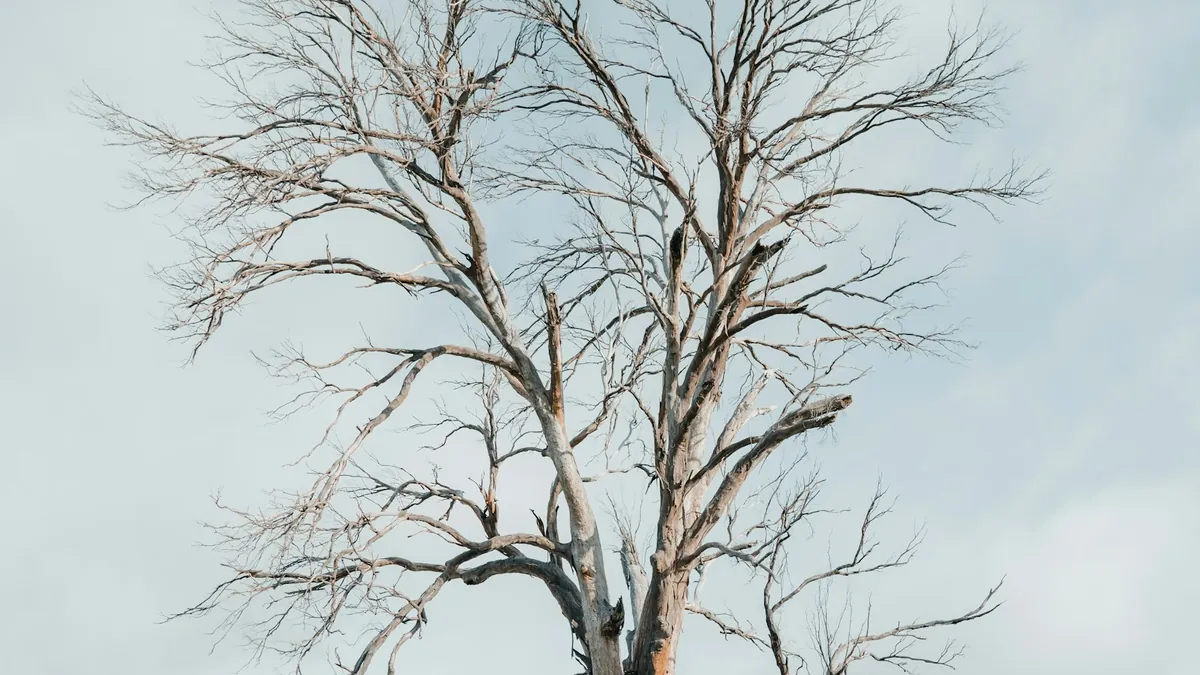
Some trees are obviously dead, with no leaves at all and bark peeling away in sheets. Others are harder to judge. Many Australian natives drop leaves under stress, and a tree that looks bare in late summer may simply be struggling with heat and drought.
A few simple checks help:
- Scratch test. Scrape a small patch of bark on a twig. Green, moist tissue underneath means that part is alive. Brown and dry means it’s dead.
- Snap test. Dead twigs snap cleanly. Living twigs bend before they break.
- Bud check. Look for new buds or shoots, especially after rain.
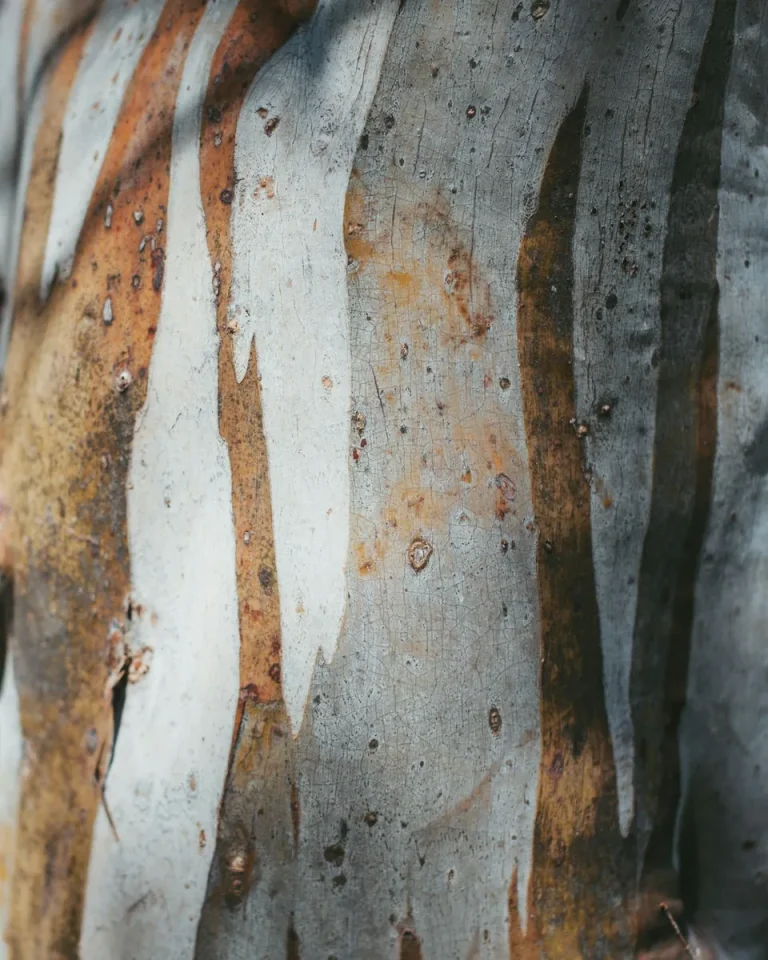
- Bark condition. Bark falling off in large sections, with bare, grey wood underneath, is a strong sign of death.
If you’re not sure, a professional assessment will give you a clear answer. Some trees are only partly dead, and pruning may be enough.
Why does a dead tree get more dangerous over time?
Living wood is flexible. It bends in the wind and moves with the load. Once a tree dies, its timber starts to dry out and lose that flexibility. Fungi and insects move in and begin breaking down the wood from the inside.
The result is a tree that can fail suddenly. Branches snap without warning, and in some cases the whole trunk or root plate gives way. Perth’s long, hot summers speed up the drying, and winter storms then test the weakened timber.
A tree that seemed solid last year may be far weaker this year, even if it looks exactly the same from the ground.
What are the risks of leaving it standing?
The obvious risk is falling timber. A dead limb over a roof, carport, play area or path can cause serious damage or injury when it drops. Larger dead trees can bring down fences, sheds and power lines.
There are other risks too:
- Dead trees can attract termites, which may then look for other timber nearby
- Dry, dead wood adds to fuel loads during bushfire season
- Insurers may take a dim view of damage from a tree that was obviously dead for some time
- Neighbours may raise concerns if the tree overhangs their property
In short, the longer a dead tree stands, the more it can cost you, in more ways than one.
Is a dead tree harder to remove than a living one?
Often, yes. Climbers rely on sound timber to anchor ropes and support their weight. In a dead tree, branches may not hold the load they normally would, and pieces can break off unexpectedly while being cut.
That doesn’t mean the job can’t be done safely. It means it needs more careful planning. Depending on the tree’s condition, a crew may use an elevated work platform or a crane instead of climbing, and sections may be smaller than usual so each piece stays under control.
The longer a dead tree is left, the more decayed it becomes, and the more complex the removal can get. Acting early is usually simpler and safer.
Could only part of the tree be dead?
Yes, and this is common. A tree may lose one major limb to borers, root damage or a storm while the rest of the canopy stays healthy. In that case, removing the dead section may be all that’s needed.
Dieback from the top of the crown is another pattern. It can be caused by drought, root problems or disease. Sometimes the tree recovers with better conditions. Sometimes the decline continues. A professional assessment helps you decide whether to prune and wait, or plan for removal.
What causes trees to die in Perth backyards?
There’s rarely a single cause. Common contributors include:
- Long periods of drought and heat stress
- Root damage from trenching, paving or building work
- Changes to drainage or soil levels around the tree
- Borers and other pests attacking stressed trees
- Fungal disease and root rot
- Old age, especially in short-lived species
Knowing the cause matters if you plan to replace the tree. Planting the same species in the same spot may lead to the same result.
How does safe dead tree removal work?
The process starts with an assessment of the tree and the site. The crew looks at how decayed the timber is, what’s underneath and where sections can safely be lowered or dropped.
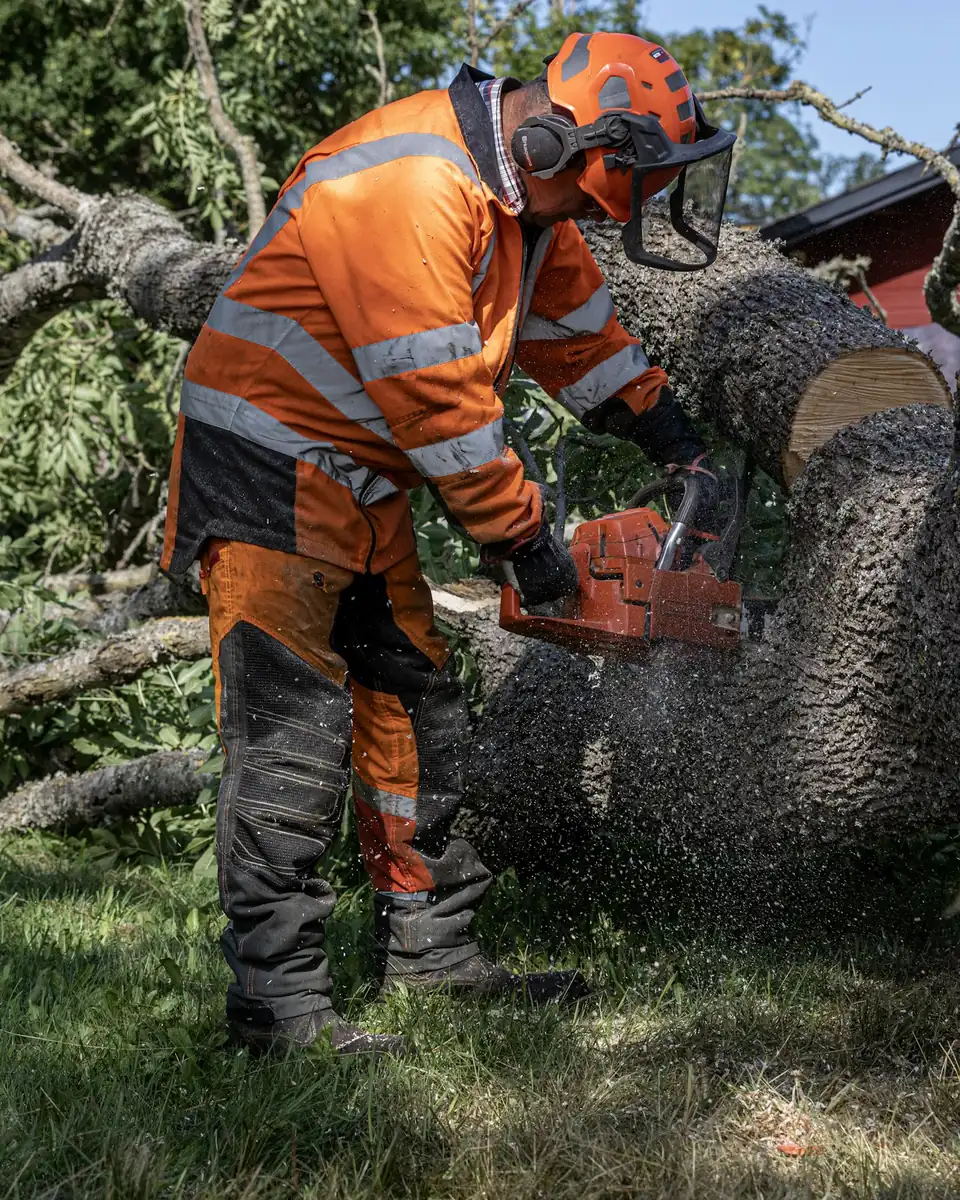
Work usually progresses from the top down. Smaller branches are removed first, followed by larger limbs and finally the trunk. Pieces over structures are lowered on ropes. Where the tree is too unstable to climb, a machine or crane may be used.
Once the tree is down, branches are chipped, logs removed and the area cleaned up. The stump can be left or ground out, depending on what you want to do with the space.
Do you need council approval to remove a dead tree?
It depends on your council and the tree. Some councils protect significant trees regardless of their condition, while others have simpler processes for dead or dangerous trees. It’s always worth checking with your local council before work begins.
If evidence is needed, a written arborist report can document the tree’s condition and support an application.
What should you do next?
If you suspect a tree is dead, keep people and pets away from the area under it, especially on windy days. Take a few photos and note anything that’s changed, such as new cracks, a lean or fallen branches.
Then have it assessed. The sooner a dead tree is dealt with, the easier and safer the job usually is.
You may also find this guide helpful: Tree Too Close to the House: When Removal Is the Safer Option.
What else do people ask?
How do I know if my tree is dead or just dormant?
Try a scratch test on a few twigs. Green tissue under the bark means that part is alive. If you’re unsure, have the tree assessed.
Can a dead tree fall without warning?
Yes. Dead timber becomes brittle and can fail suddenly, especially in strong winds.
Is it more expensive to remove a dead tree?
It can be more complex if the timber is badly decayed, as the crew may need extra equipment or smaller sections to stay safe.
Can I remove a dead tree myself?
We don’t recommend it. Dead trees behave unpredictably when cut, and falling timber is a serious hazard.
Should I grind the stump of a dead tree?
If you want to use the space or reduce the chance of termites, stump grinding is a good idea.
Ready to deal with that dead tree?
Call Pro Tree Works on 08 6279 4835 to arrange an assessment. We’ll check the tree, explain your options and plan a careful tree removal that protects your home and garden.