Tree & garden services across the Perth metro area
Home / Tree Pruning
Tree trimming Perth · Crown thinning
Good pruning reduces risk, lets in light and keeps the tree you love. Poor pruning does the opposite. Here’s how we get it right.
Tree pruning Perth
We carry out tree pruning Perth-wide, and many trees that people want removed don’t actually need to go. They’re too dense, carrying dead branches, or growing into the roof or the neighbour’s yard. Targeted pruning can fix all of these while keeping the shade, privacy and character the tree brings.
Pruning also helps trees cope with Perth’s conditions. A thinned crown lets wind pass through more easily, which can reduce the load on branches during winter storms.
At a glance
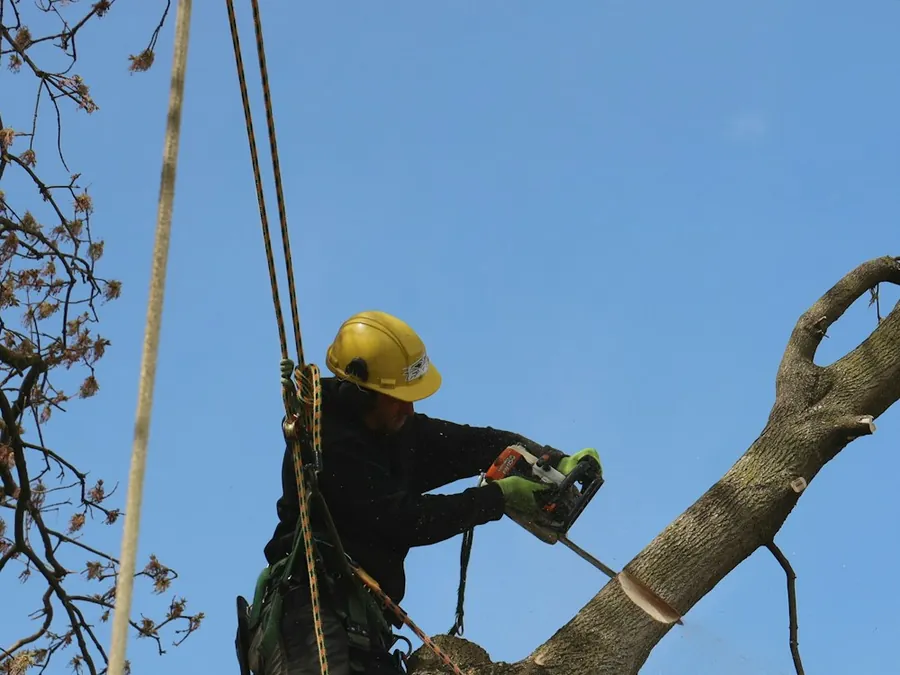
Taking out dead, dying and broken branches that could fall.
Selectively removing branches to reduce density, weight and wind resistance.
Raising the lower canopy to clear driveways, paths, roofs or lawns.
Reducing the overall height or spread while keeping a natural shape.
Cutting back branches from roofs, gutters, walls and solar panels.
Shaping young trees early so they grow with a strong structure.
Most jobs combine two or three of these, depending on what the tree needs.
Pruning done properly
Lopping, or topping, means cutting large branches back to stubs to make a tree smaller quickly. It might look tidy for a few months, but it usually causes more problems than it solves.
Lopped trees often respond with a mass of fast, weakly attached shoots that grow back thicker than before. The large wounds can also let decay into the tree. Over time, a lopped tree can become more dangerous, not less.
We prune back to suitable branch unions so the tree can respond naturally. It’s slower, more skilled work, and it’s far better for the tree.
At a glance
Many trees can be pruned at almost any time of year, especially for safety work like deadwood removal. That said, late autumn through winter often suits deciduous trees, and many owners like to get clearance pruning done before the winter storm season.
Some fruit trees and flowering species have preferred timing to protect next season’s flowers or fruit. If yours is one of them, we’ll plan the work accordingly.
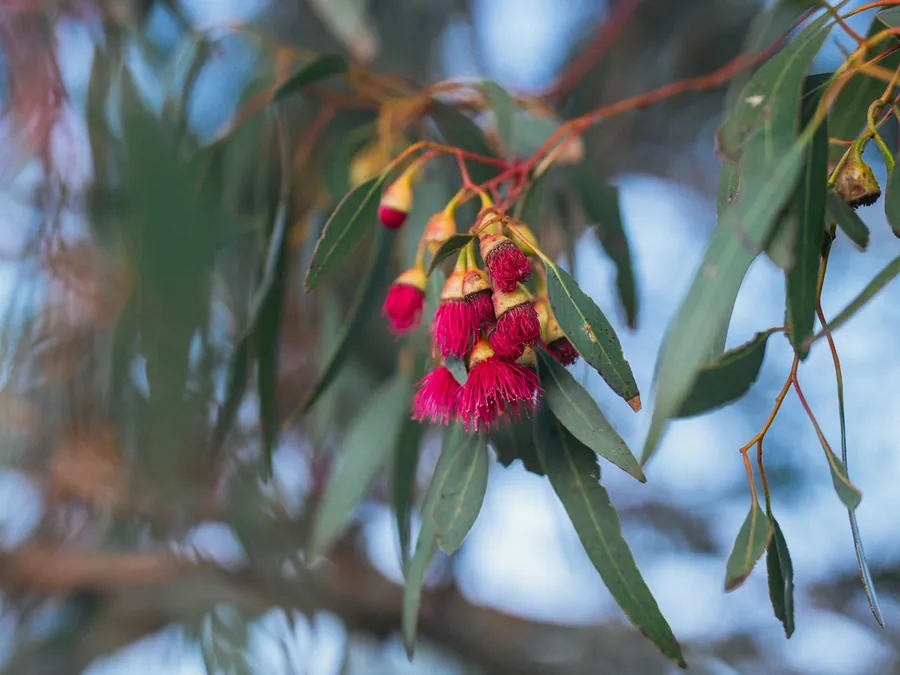
Eucalypts are part of what makes Perth gardens feel like Perth, but they need knowledgeable pruning. Some species are prone to dropping limbs, and poor cuts can trigger heavy regrowth.
We focus on removing deadwood, reducing end-weight on long limbs and correcting weak structures where possible. The aim is a safer tree that still looks natural.
Overhanging branches are one of the most common causes of neighbour disputes. In many cases, a careful clearance prune solves the problem for everyone.
Before we start on a shared or boundary tree, we recommend talking with your neighbour. Agreeing the work in advance avoids misunderstandings, and in some cases they may want to share the cost.
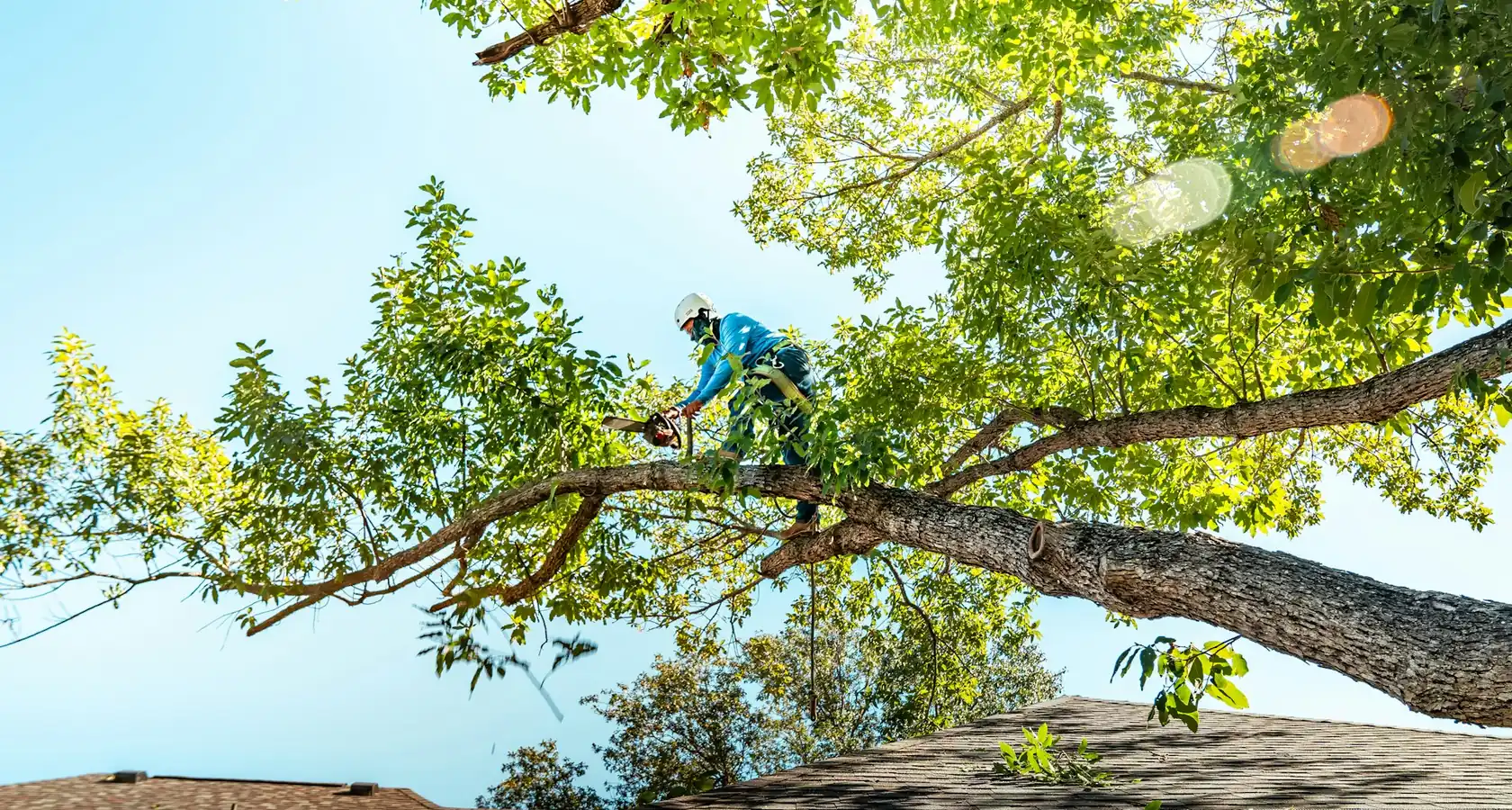
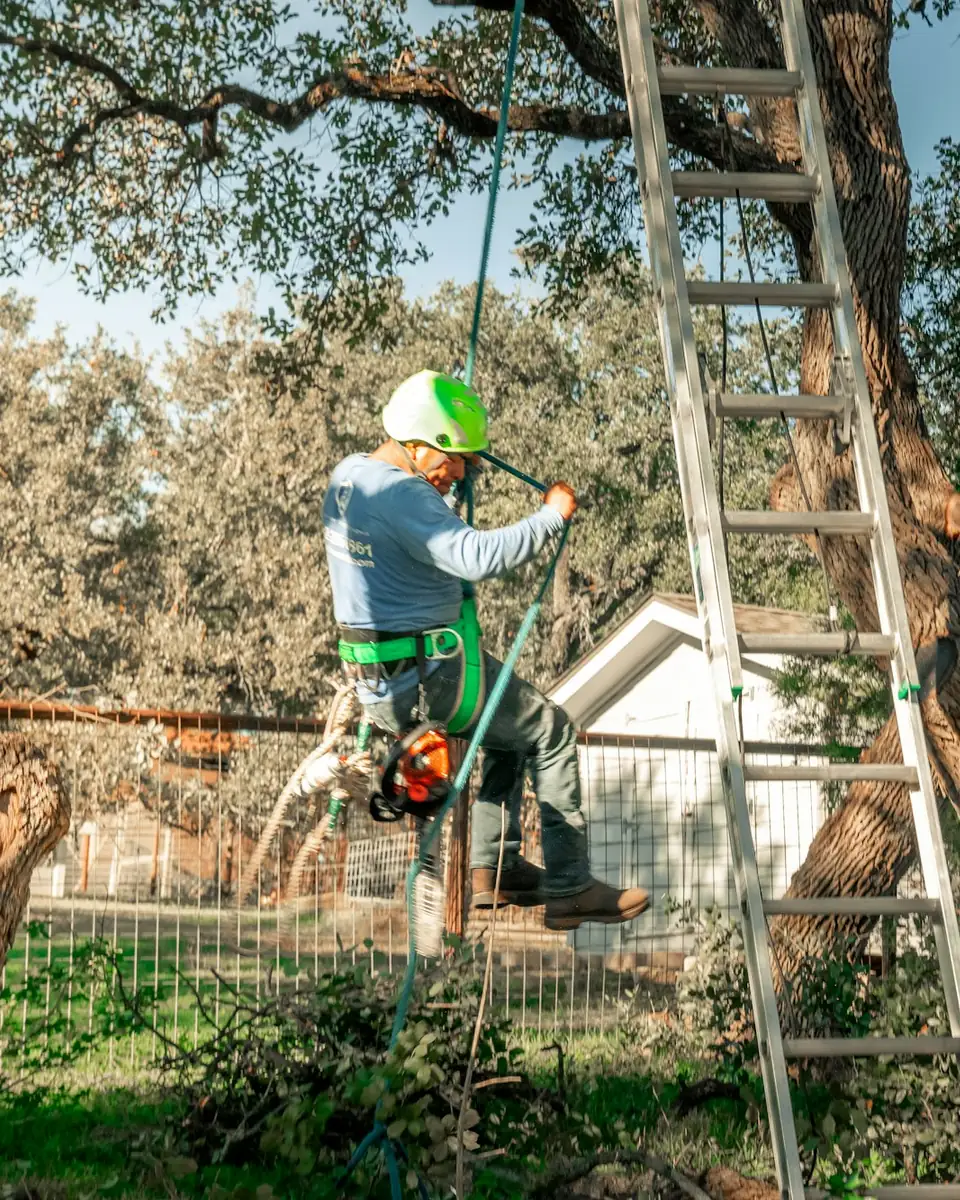
The team will confirm the plan with you before starting. Branches are cut and lowered in a controlled way, then fed through the chipper. Once the pruning is finished, the area is raked and blown clean.
You’ll see the result straight away: more light, better clearance and a tree that looks cared for rather than hacked.
Every cut on a tree is a wound, and trees seal wounds differently depending on where the cut is made. Cuts made just outside the branch collar, the slightly swollen area where a branch meets a larger stem, seal far better than cuts made flush against the trunk or halfway along a branch.
That’s why we take our time choosing where to cut. A good prune leaves the tree looking natural, with no stubs or ragged ends, and gives it the best chance of sealing over cleanly.
We also avoid removing too much foliage in one go. Leaves are how a tree feeds itself, and taking off too much at once can stress it, especially during a hot Perth summer.
Branches that sit on or just above a roof can lift tiles, scrape metal sheeting and drop a steady stream of leaves into gutters and valleys. In storms, they can whip against the roof and cause damage.
Solar panels are another reason to prune. Even partial shade across a few panels can noticeably reduce how much power the system produces. A careful clearance prune can bring back the sun without taking out the whole tree.
We’ll aim for enough clearance to last, so you’re not calling us back every few months.
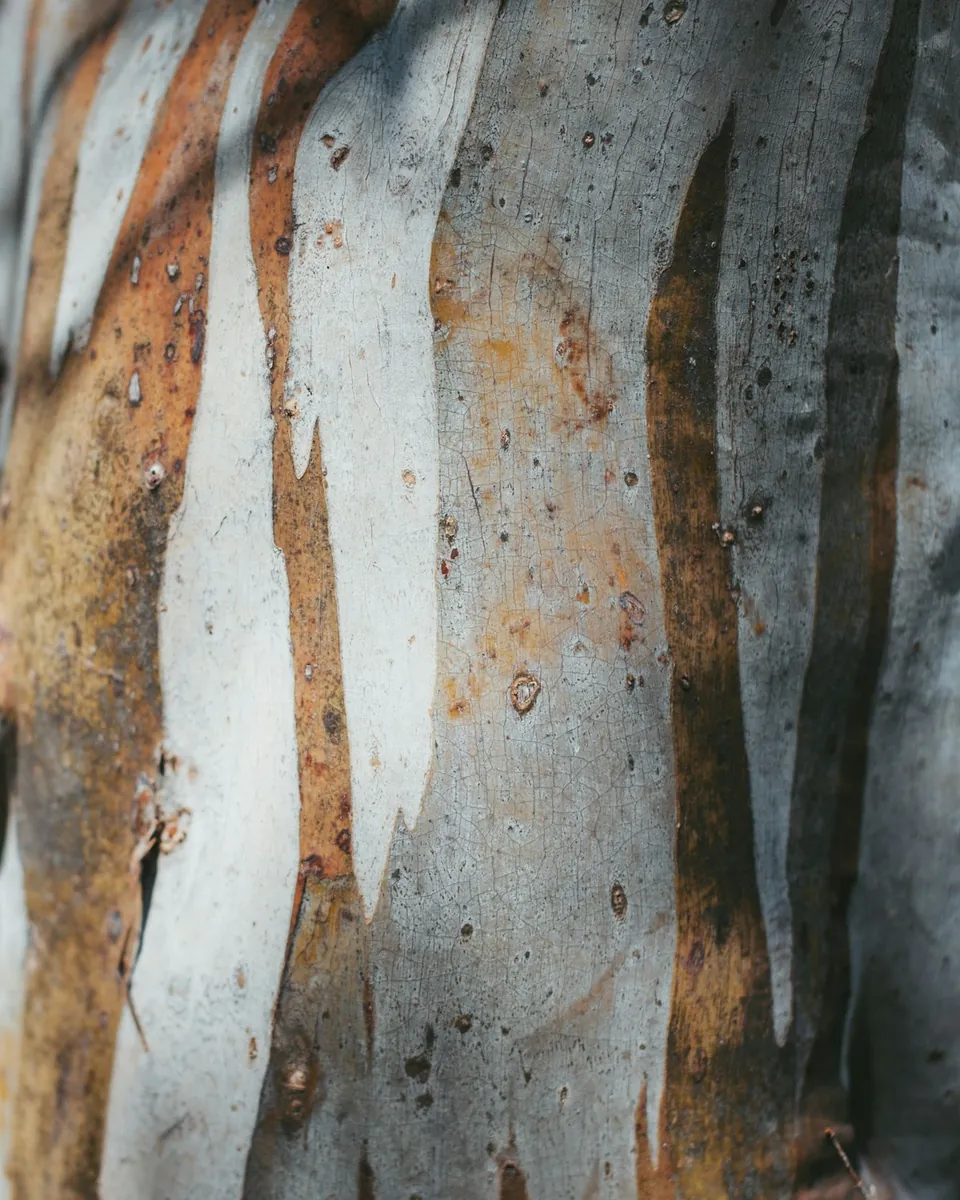
The best time to fix a tree’s structure is while it’s young. Formative pruning removes competing leaders, crossing branches and weak forks before they become large problems.
A few careful cuts on a young tree can prevent the need for major work or removal decades later. If you’ve planted new trees recently, it’s worth having them checked in their first few years.
Trees on shared and commercial property are walked under by residents, staff, students and customers every day. Regular pruning keeps paths, car parks and entrances clear and reduces the chance of falling branches in busy areas.
We can prune on a schedule that suits the site, working early or around quieter periods to keep disruption low. Where a committee or manager needs a record of the work, we can provide photos and a summary of what was done.
Combining pruning with a periodic arborist assessment gives managers a clear view of which trees need attention first.
It depends on the species, its age and how fast it grows. Many established trees benefit from a check and maintenance prune every few years. Fast-growing trees close to buildings may need attention more often.
Explore more
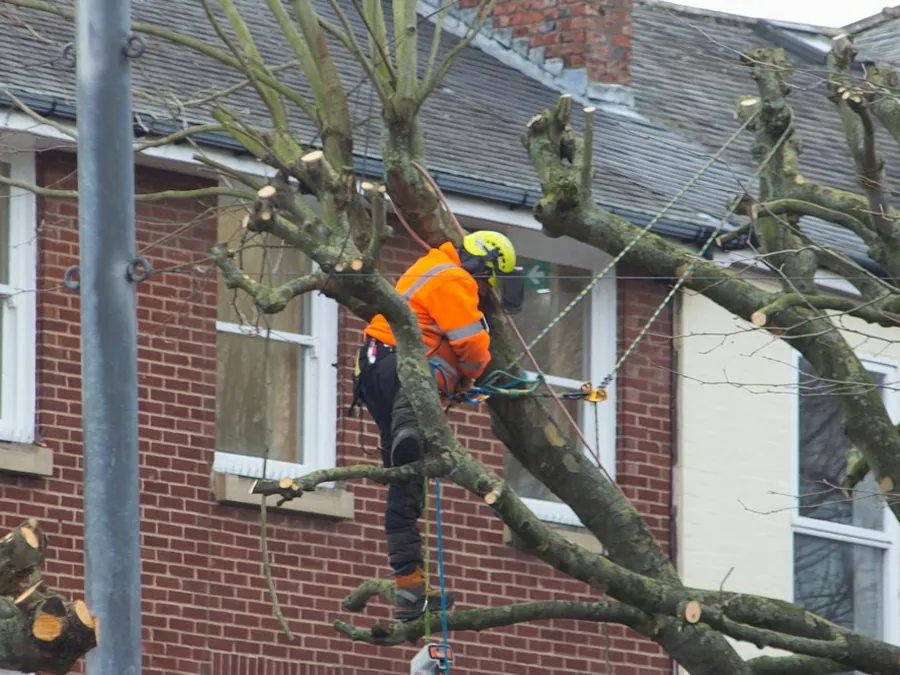
Safe, controlled removal of dead, dangerous, damaged or unwanted trees, including large trees in tight spaces.
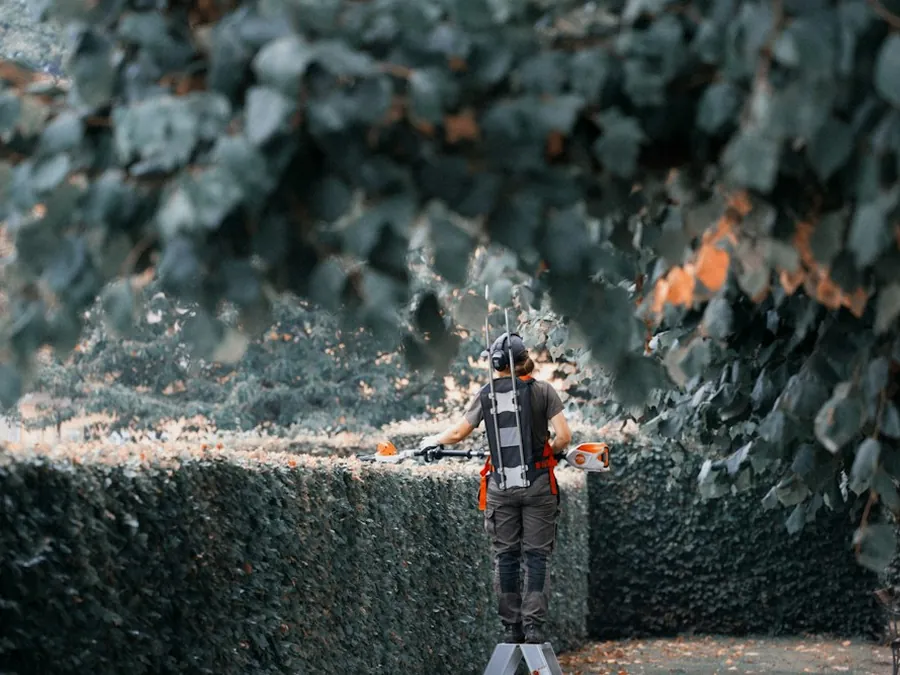
Regular shaping, height reduction and recovery of overgrown hedges and screening plants.
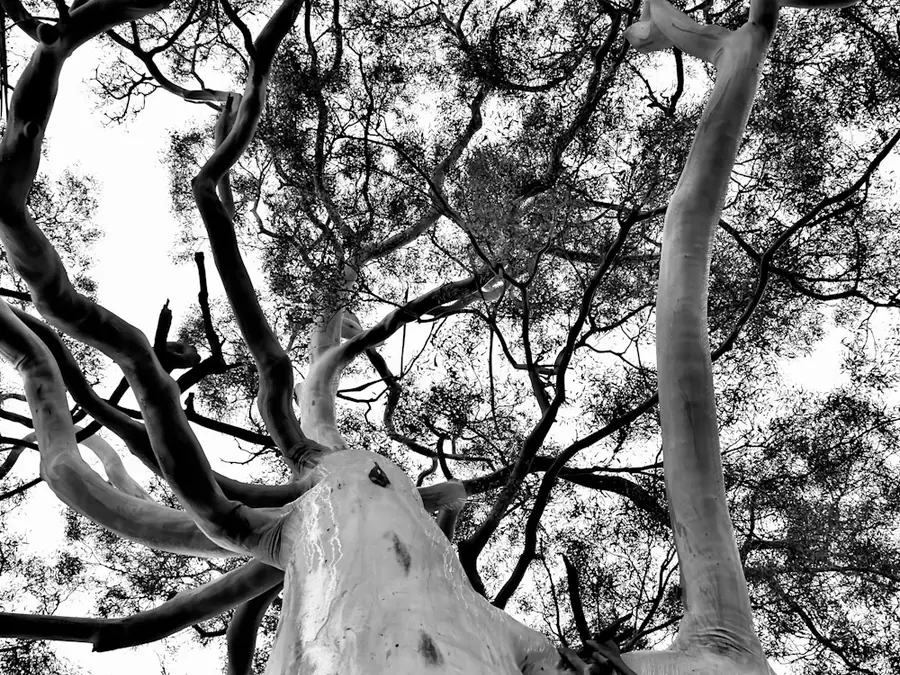
Written tree assessments for councils, development applications, insurers, strata and peace of mind.
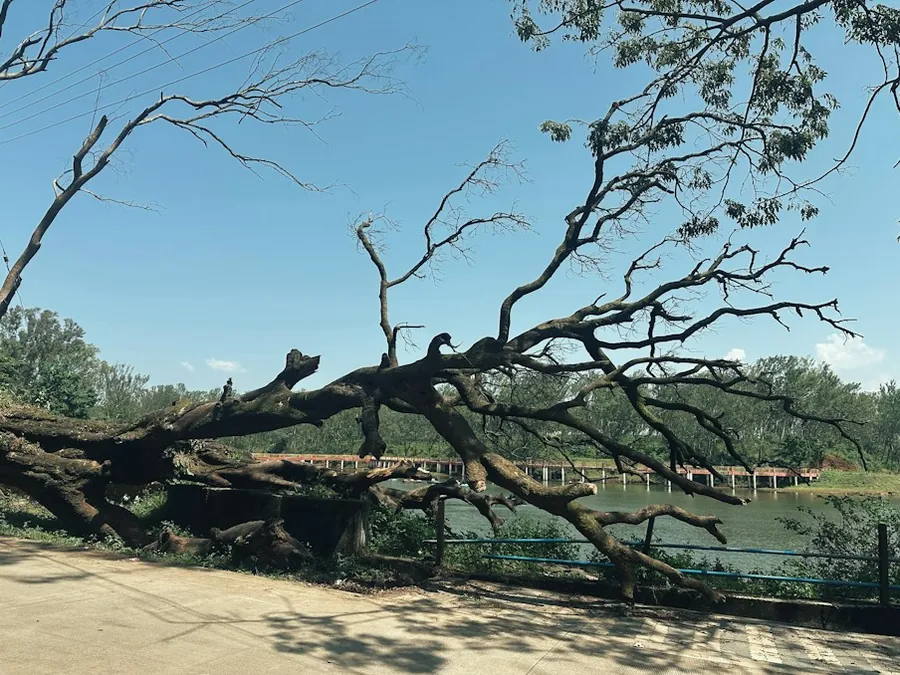
Fast response for storm-damaged, split or fallen trees that are threatening people or property.
FAQs
Removing deadwood, reducing heavy limbs and thinning dense crowns can reduce the risk of branch failure. It can’t remove all risk, but it often makes a real difference.
It’s selectively removing branches throughout the canopy to reduce density and weight, letting more light and wind through without changing the tree’s overall shape.
No. Lopping cuts large branches back to stubs and often causes weak regrowth and decay. Proper pruning cuts to suitable branch unions.
Yes. Clearance pruning lifts and cuts back branches from roofs, gutters and walls, which also helps reduce leaves in your gutters.
Safety pruning can be done at most times of year. We’ll assess the tree and recommend timing based on its species and condition.
Correct pruning is carried out with the tree’s health in mind. Over-pruning or poor cuts can stress a tree, which is why technique matters.
It’s best to talk with your neighbour first and agree the work. If you’re unsure of your rights, check with your local council.
Most residential pruning jobs take a few hours to a day, depending on the size and number of trees.
Yes. Branches are chipped and removed, unless you’d like to keep the mulch for your garden.
Yes. We prune many fruit trees and will plan the timing to suit the species where it matters.
Get started
If a tree is getting too big, too heavy or too close to the house, pruning may be all it needs. Call Pro Tree Works on 08 6279 4835 or request a quote, and we’ll recommend the right approach.