Tree & garden services across the Perth metro area
Home / Arborist Reports
Tree risk assessment Perth · Tree health assessment
When a council, builder, strata committee or insurer needs more than an opinion, a written arborist report sets out the tree’s condition, risks and recommendations.
Arborist report Perth
Whether you need an arborist report Perth councils have asked for or one for your own peace of mind, it starts with a written assessment of one or more trees. It records what the tree is, where it is, what condition it’s in and what risks it may present. Most importantly, it gives clear recommendations, whether that’s retaining, pruning, protecting or removing the tree.
People need reports for all kinds of reasons. Some are required by a council or a development approval. Others are simply about peace of mind, especially when a large tree overhangs a house or a neighbour.
At a glance
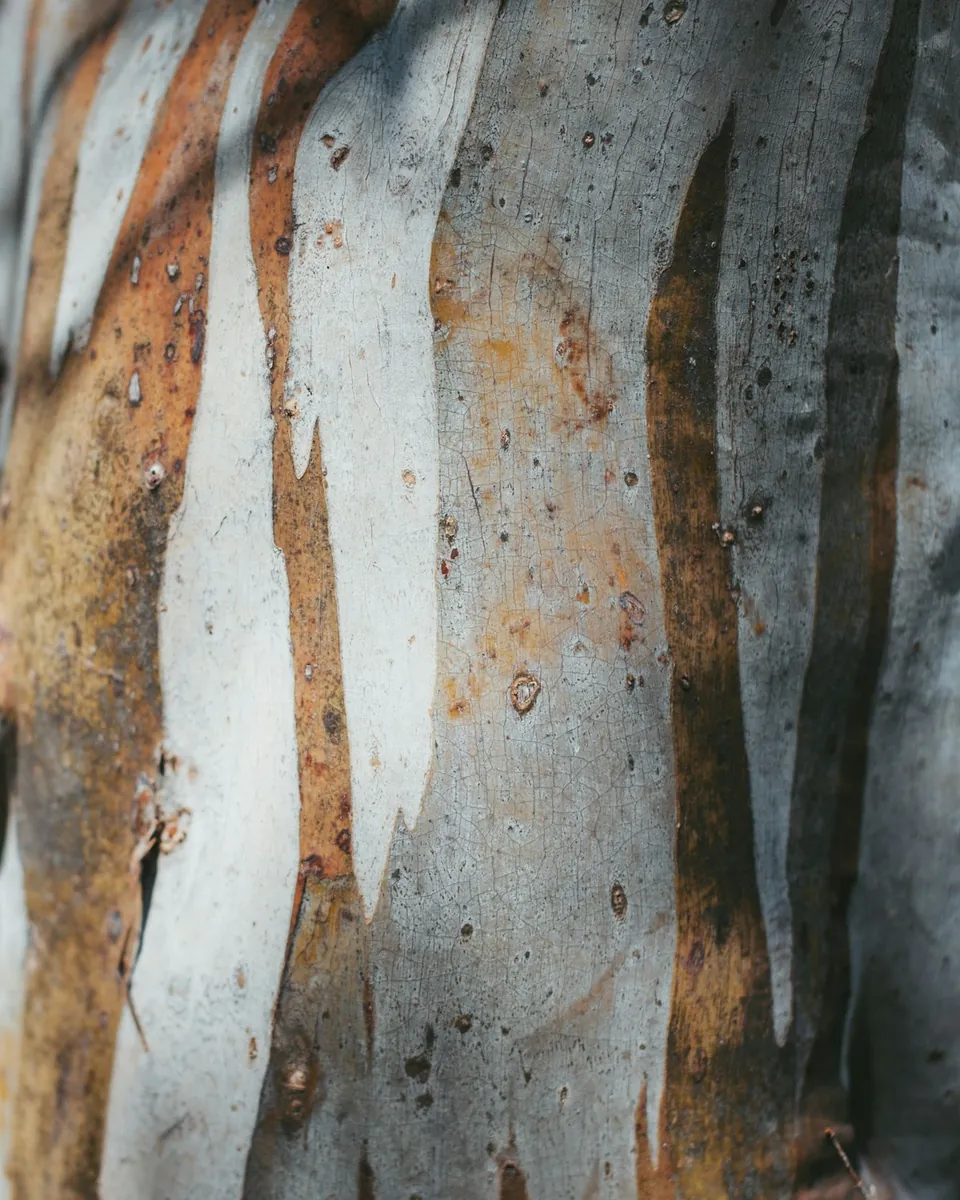
The assessment starts with a visual inspection from the ground. We identify the species where possible and record the tree’s size, age class and general vigour.
We then look closely at the structure. That includes the root zone and base, the trunk, major branch unions and the crown. We’re looking for decay, cavities, cracks, fungal growth, root damage, a lean and any defects that could lead to failure.
Finally, we consider the setting. A tree with a minor defect in the middle of a large park is very different from the same tree hanging over a bedroom or a busy footpath.
At a glance
Every report is tailored to its purpose, but a typical report covers:
We write reports in plain English so owners, builders and committee members can understand them, while still including the detail a council officer will expect.
Trees and building sites don’t always get along. Digging, trenching, compacting soil and storing materials over roots can damage a tree that looked perfectly healthy before the work started.
A development report identifies which trees can realistically be kept and how to protect them. It may recommend protection zones, fencing and construction methods that reduce root damage. Getting this advice early in the design stage is far easier than redesigning after the slab is poured.
Rules about protected trees vary between Perth councils. Some councils ask for an arborist report before they’ll consider removal or major pruning of certain trees.
We recommend checking your council’s requirements first, so the report covers exactly what they need. If you’re not sure what’s required, contact the council and ask what information should be submitted.
Development tree report Perth
A report is only useful if it’s objective. We record what we find, even when it isn’t what the person paying for the report hoped to hear. Sometimes a tree that looks frightening is perfectly sound. Sometimes a tree that looks fine has serious hidden problems.
That honesty is what gives the report its value to councils, insurers and neighbours.
When trees are kept on a building site, a report will often set out a tree protection zone. This is an area around the tree, usually based on the trunk diameter, where digging, storing materials and driving machinery should be avoided or carefully controlled.
Most of a tree’s important roots are in the top layer of soil and can spread well beyond the canopy. Damage to these roots may not show up for months or even years, by which time it’s too late to fix.
A clear protection plan helps builders, owners and councils agree on what can happen near the tree before work starts.
Strata complexes, schools, retirement villages and commercial sites often have many mature trees in areas used by the public. Committees and managers need to show they are managing those trees responsibly.
We can assess groups of trees, record each one with photos and location details and set out prioritised recommendations. That gives committees a clear plan they can budget for and act on over time.
Regular follow-up inspections help track changes and show that trees are being monitored.
Large trees can add a lot to a property, but they can also come with costs. If you’re buying a home with big gums or pines near the house, a pre-purchase tree assessment can help you understand what you’re taking on.
The report can flag trees that may need pruning or removal soon, so you can factor that into your decision.
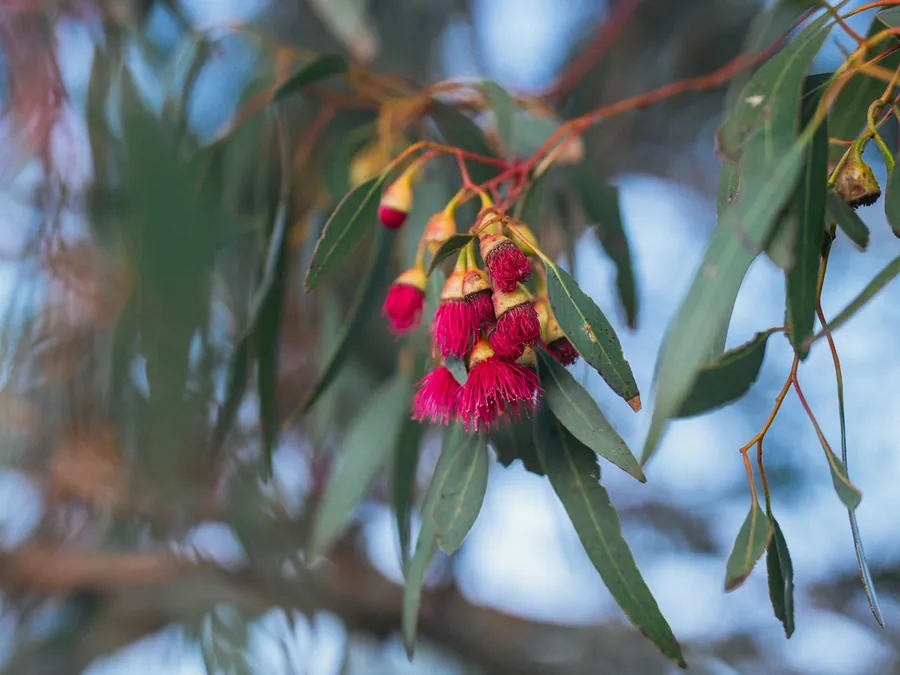
To prepare an accurate report, it helps to have the property address, the purpose of the report and any documents from the council or builder. Plans showing proposed works are especially useful for development reports.
We’ll also need safe access to each tree on the day of the inspection.
Some trees don’t need immediate work but should be watched. A report may recommend re-inspection after a set period, after a major storm or once construction nearby is finished.
Repeat inspections allow changes, such as a growing crack, new fungal growth or dieback, to be picked up early. That gives owners time to plan pruning or removal rather than reacting after a failure.
For valuable or significant trees, this kind of ongoing care can extend their safe life for many years.
Call or send a request and tell us what the report is for, how many trees are involved and any deadline you’re working to. If a council or builder has asked for specific information, send us a copy so we can make sure it’s covered.
Explore more
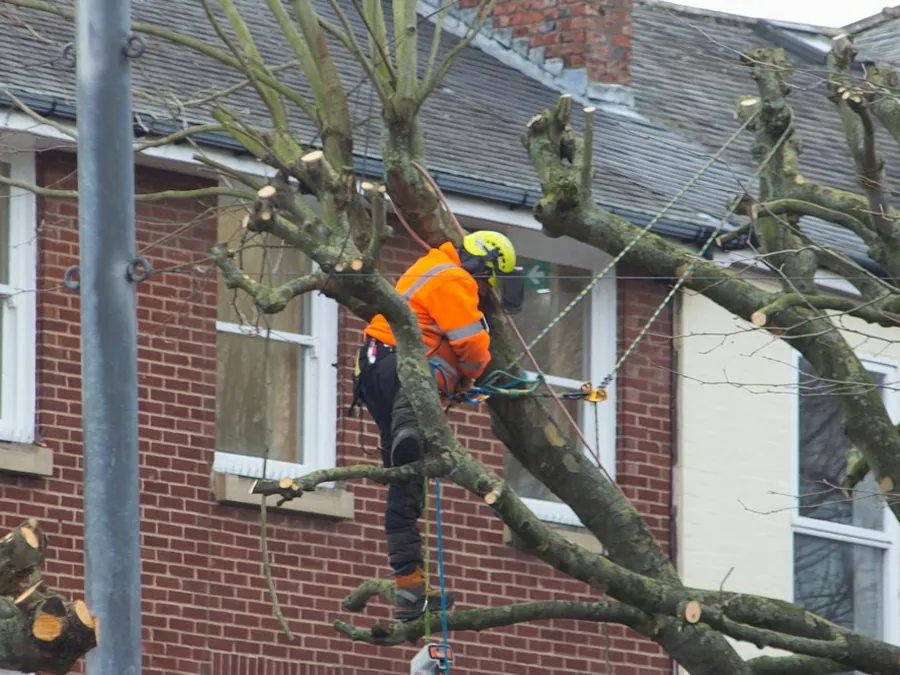
Safe, controlled removal of dead, dangerous, damaged or unwanted trees, including large trees in tight spaces.
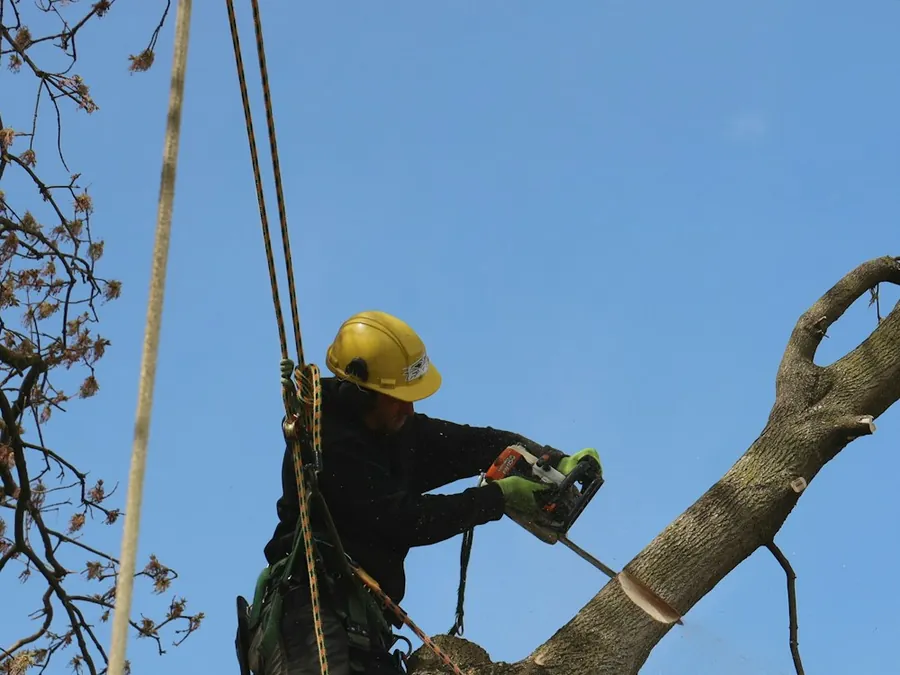
Crown thinning, deadwood removal, clearance pruning and shaping that keeps trees healthy and safe.
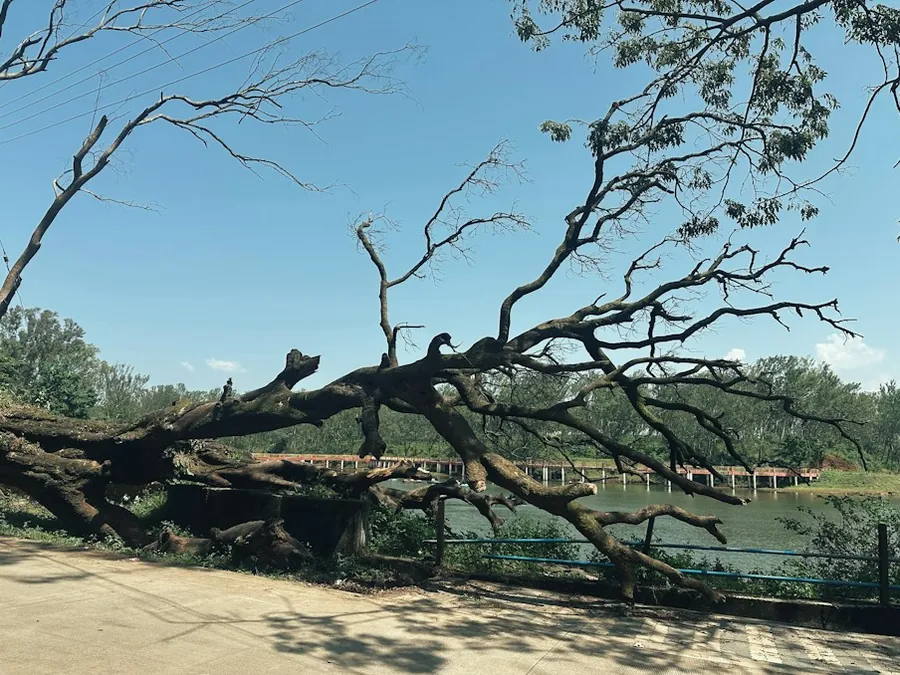
Fast response for storm-damaged, split or fallen trees that are threatening people or property.
FAQs
It’s a written assessment of a tree’s species, health, structure and risks, with clear recommendations for its management.
Only in some cases. Some councils require one for protected trees. Check with your council first.
The site visit is usually short. Writing the report takes longer, depending on the number of trees and the level of detail needed. We’ll give you a timeframe when you book.
Yes. We assess visible defects, the tree’s setting and what could be affected if it failed, and give practical recommendations.
Only if the findings support it. Many reports recommend pruning, protection or monitoring instead.
Often, where trees are near planned works. The report helps protect trees that are being kept and supports approval processes.
A written, objective assessment can give both sides clear information about a tree’s condition and risks.
Yes. Reports help committees make informed decisions about trees on common property and plan maintenance.
Our assessments are visual, from the ground. If more detailed testing is needed, we’ll explain why in the report.
Yes. Reports are clear enough for owners to follow while including the detail councils and builders need.
Get started
Need a report for council, a development or a worrying tree? Call Pro Tree Works on 08 6279 4835 or request a quote online, and tell us what the report is for.